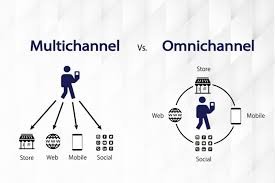
In 2026, the advertising landscape is undergoing a clear shift. Omnichannel advertising platforms are rapidly overtaking traditional ad tools, driven...
HubSpot AI, Jasper, ChatGPT & More: The Ultimate 2026 AI Marketing Stack
In 2026, marketing performance is no longer driven by individual tools- it is driven by how intelligently those tools work together. The most effective teams are building AI-native marketing stacks that combine automation, creativity, analytics, and execution into a single growth engine.
At the center of this shift is a new generation of AI marketing platforms that embed intelligence directly into core workflows. From CRM and content creation to SEO, advertising, and workflow automation, the modern AI marketing stack is designed to scale personalization, accelerate decision-making, and maximize efficiency.
What Defines an AI Marketing Stack in 2026?
Unlike traditional martech stacks, the 2026 AI marketing stack is not tool-heavy- it is intelligence-led. Each platform plays a specific role, but AI acts as the connective layer across systems.
The most effective stacks share four defining characteristics:
AI embedded into core functionality (not layered on)
Cross-platform data flow and orchestration
Real-time optimization and decisioning
Privacy-first, identity-driven activation
Together, these elements enable marketers to move from execution support to autonomous growth systems.
The Core of the 2026 AI Marketing Stack
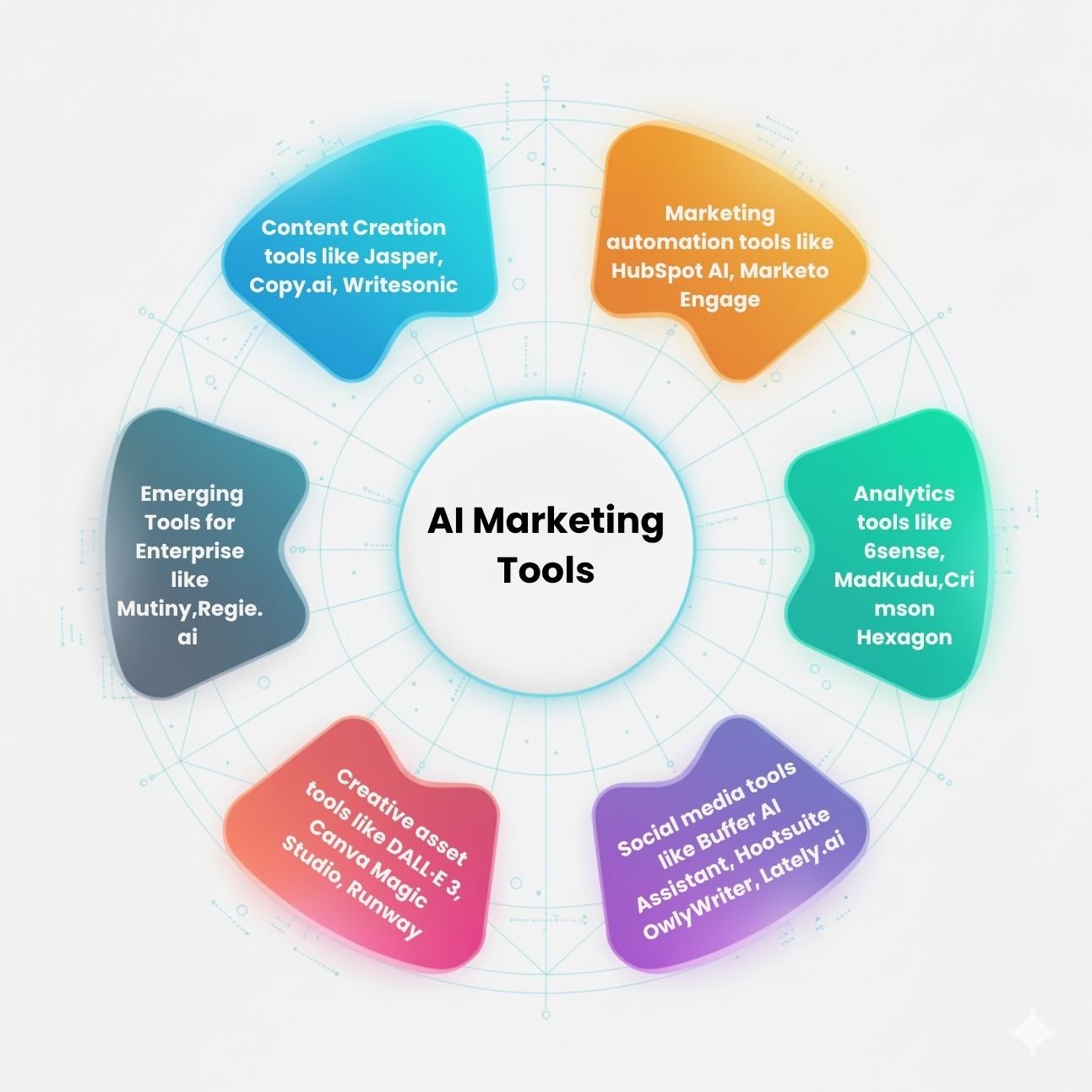
All-in-One CRM and Marketing Automation Platforms like HubSpot (AI-powered features) form the backbone of the stack. They unify customer data, automate lifecycle marketing, and use predictive lead scoring to prioritize high-intent prospects. AI-driven journey orchestration ensures that engagement adapts dynamically based on behavior rather than static rules.
Content Creation and Ideation AI writing platforms such as Jasper and ChatGPT enable teams to produce blogs, ads, emails, and landing page copy at scale. These tools accelerate production while maintaining brand consistency, allowing marketers to test and iterate messaging faster than ever before.
SEO and Content Optimization Search visibility in 2026 depends on data-driven optimization. Platforms like Surfer SEO and Semrush (AI features) analyze SERP patterns, keyword intent, and competitive gaps to guide content creation. As AI-powered search grows, these tools also support Generative Engine Optimization (GEO) strategies to increase visibility in AI-generated answers.
Advertising and Campaign Automation AI-led advertising platforms such as Albert and Google Performance Max manage campaigns autonomously- handling budget allocation, bid optimization, and creative testing in real time. These systems allow marketers to scale paid media efficiently while reducing manual intervention.
Visual and Video Creation Creative production has become significantly faster with platforms like Canva (AI), Synthesia, and Midjourney. In parallel, workflow tools such as Zapier and ActiveCampaign connect systems, automate repetitive tasks, and ensure seamless insight flow across platforms.
Why This Stack Works
The power of this AI marketing stack lies not in individual tools, but in how they reinforce each other. Content generated by AI feeds directly into SEO optimization. Performance data informs advertising decisions in real time. CRM insights guide personalization across channels. Automation ensures that nothing operates in isolation.
This interconnected intelligence enables:
Faster go-to-market execution
Hyper-personalized customer experiences
Smarter budget allocation
Consistent performance measurement
Most importantly, it allows marketing teams to focus on strategy while AI handles execution complexity.
Privacy, Identity, and Responsible Scale
As privacy expectations continue to evolve, successful AI marketing stacks prioritize first- and zero-party data. Identity-driven frameworks ensure personalization and measurement remain accurate without relying on third-party cookies.
Platforms that integrate identity intelligence and consent-driven data activation are better positioned to scale sustainably- maintaining both performance and trust.
What This Means for Marketers in 2026
The ultimate AI marketing stack in 2026 is not about adopting every available tool. It is about selecting platforms that embed intelligence into execution, integrate seamlessly, and adapt in real time.
Marketers who build stacks around AI-native platforms gain a decisive advantage- moving faster, operating leaner, and delivering measurable growth in an increasingly competitive landscape.
The Stack That Scales Growth
AI marketing platforms like HubSpot AI, Jasper, ChatGPT, and their ecosystem peers are redefining how marketing is executed. When combined into a cohesive stack, they enable brands to move beyond automation and into autonomous, intelligence-led growth.
With Cubera’s AI-led AdTech ecosystem, advertisers can further extend this stack- activating identity-driven insights, real-time optimization, and privacy-first performance to ensure every marketing decision is informed, adaptive, and scalable.