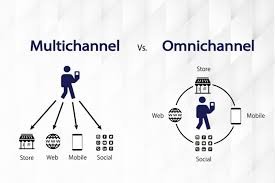
In 2026, the advertising landscape is undergoing a clear shift. Omnichannel advertising platforms are rapidly overtaking traditional ad tools, driven...
Top Data-Driven Marketing Platforms to Watch in 2026
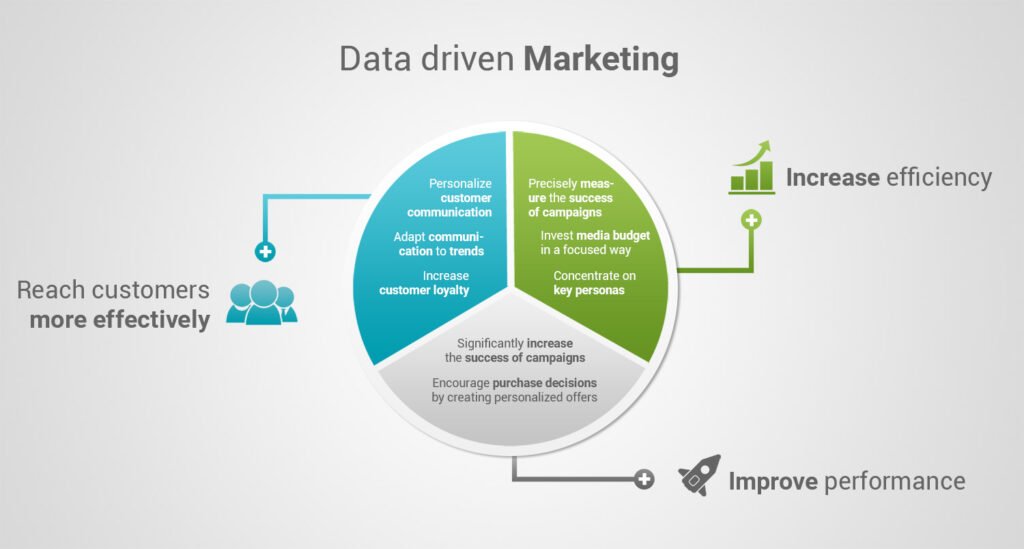
In 2026, data-driven marketing is no longer defined by dashboards alone. The most impactful platforms are those that combine integrated AI, real-time analytics, and personalization into unified systems capable of shaping the entire customer journey. As marketing teams prioritize speed, relevance, and accountability, platform leadership is increasingly determined by how intelligently data is activated- not just collected.
Across rankings and adoption trends, the platforms gaining momentum are those embedding AI into core workflows, enabling predictive decision-making and cross-channel orchestration at scale.
What Defines a Data-Driven Marketing Platform in 2026
Modern data-driven platforms operate as intelligence layers rather than reporting tools. They integrate customer data, behavioral signals, and AI models to guide decisions in real time- moving marketing from reactive analysis to proactive execution.
Predictive analytics for forecasting behavior and outcomes
Real-time content and experience personalization
Privacy-first data activation built on first- and zero-party signals
These capabilities form the foundation of platforms driving growth in 2026.
CRM and All-in-One Platforms
CRM-centric platforms continue to anchor the data-driven marketing ecosystem by unifying customer data and execution.
HubSpot and Salesforce remain category leaders, integrating AI-driven forecasting, predictive journeys, and lifecycle orchestration. Salesforce’s Einstein AI, in particular, enables deeper insights into customer intent and pipeline performance.
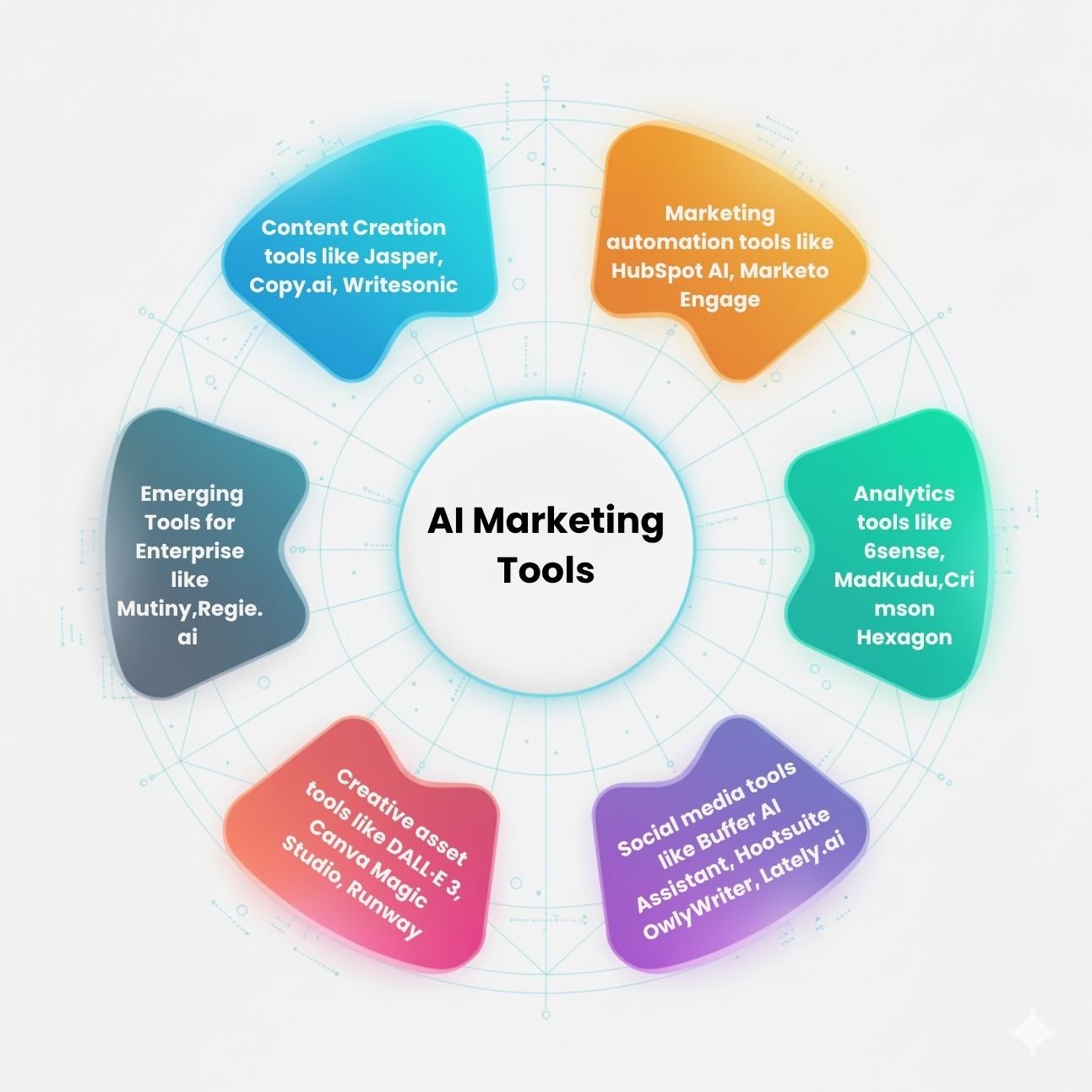
Account-based marketing platforms such as ZoomInfo, 6sense, and Demandbase are also gaining traction. These tools use intent data and AI modeling to identify high-value accounts and orchestrate coordinated engagement across teams.
Emerging players like Netcore Cloud are standing out for their agentic, AI-native approach- embedding intelligence directly into automation rather than layering it on top.
Analytics and Customer Data Platforms (CDPs)
Analytics platforms remain central to data-driven decision-making, but their role has evolved from reporting to interpretation.
Google Analytics 4 and Adobe Analytics continue to serve enterprise needs with deep integrations across media and experience platforms. However, privacy constraints and increasing complexity have pushed teams to explore more flexible alternatives.
Product analytics platforms like Mixpanel, Amplitude, and Heap excel in behavioral analysis, funnel optimization, and automatic event tracking- making them especially valuable for product-led growth strategies.
Privacy-focused analytics tools such as Usermaven and Piwik PRO are also seeing increased adoption as brands seek compliance-ready insights without sacrificing usability.
Specialized and Emerging Platforms
Alongside core systems, specialized platforms are playing a critical role in hyper-targeted engagement.
E-commerce-focused tools like Klaviyo, Drip, and Mailchimp leverage customer data to personalize email and SMS journeys with precision.
In content and creative production, platforms such as Synthesia and Jasper are enabling faster, scalable content generation- supporting personalization without production bottlenecks.
Meanwhile, Postscript has emerged as a leading SMS platform, helping brands deliver timely, high-intent messages through data-driven targeting.
Key Trends Driving Platform Adoption in 2026
Several macro trends are shaping which data-driven marketing platforms gain relevance:
AI-Driven Personalization AI is enabling one-to-one personalization in real time- crafting content, offers, and journeys dynamically based on live behavior rather than static segments.
Predictive Analytics Platforms are shifting from descriptive reporting to predictive modeling, allowing marketers to anticipate outcomes and allocate resources proactively.
Privacy-First Marketing With increasing regulation, platforms built around zero-party data, consent management, and cookieless measurement are outperforming legacy solutions.
Agentic Marketing Systems A defining trend in 2026 is the rise of agentic platforms that can autonomously execute complex campaigns- adjusting budgets, sequencing messages, and optimizing channels with minimal human input.
Cross-Channel Orchestration Winning platforms unify workflows across web, app, email, social, and paid media- ensuring consistent decision-making across touchpoints.
What This Means for Marketers
In 2026, the most valuable data-driven marketing platforms are not those that generate the most reports, but those that translate data into action. AI-native systems, privacy-first architectures, and real-time orchestration are now baseline expectations- not differentiators.
With Cubera’s AI-led AdTech ecosystem, marketers can complement these platforms by activating identity-driven insights, predictive intelligence, and real-time optimization- ensuring data does not remain static, but actively drives growth across the funnel.