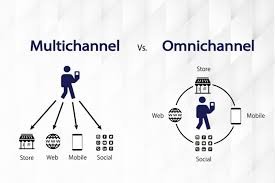
In 2026, the advertising landscape is undergoing a clear shift. Omnichannel advertising platforms are rapidly overtaking traditional ad tools, driven...
AI Marketing Platforms That Drive Growth: Rankings and Traffic Trends (2026)
In 2026, the AI marketing landscape is defined by platforms that embed artificial intelligence directly into their core functions- content creation, SEO, campaign automation, and performance optimization. Rather than acting as add-ons, AI systems now serve as the central engine of marketing operations, enabling hyper-personalization, real-time decision-making, and scalable growth.
As a result, rankings and traffic trends increasingly favor AI-native marketing platforms that deliver measurable efficiency and sustained performance across channels.
The Evolution of AI Marketing Platforms
AI marketing platforms have moved beyond basic automation. The most influential tools in 2026 operate as intelligent systems capable of learning, adapting, and executing autonomously. These platforms integrate predictive analytics, audience intelligence, and real-time optimization to reduce manual intervention while improving outcomes.
A key differentiator in today’s rankings is the shift toward agentic AI– systems that can independently manage and optimize entire campaigns rather than simply supporting human workflows.
Top AI Marketing Platform Categories in 2026
Rather than a single dominant solution, the AI marketing ecosystem is organized around specialized use cases. Leading platforms consistently fall into the following categories:
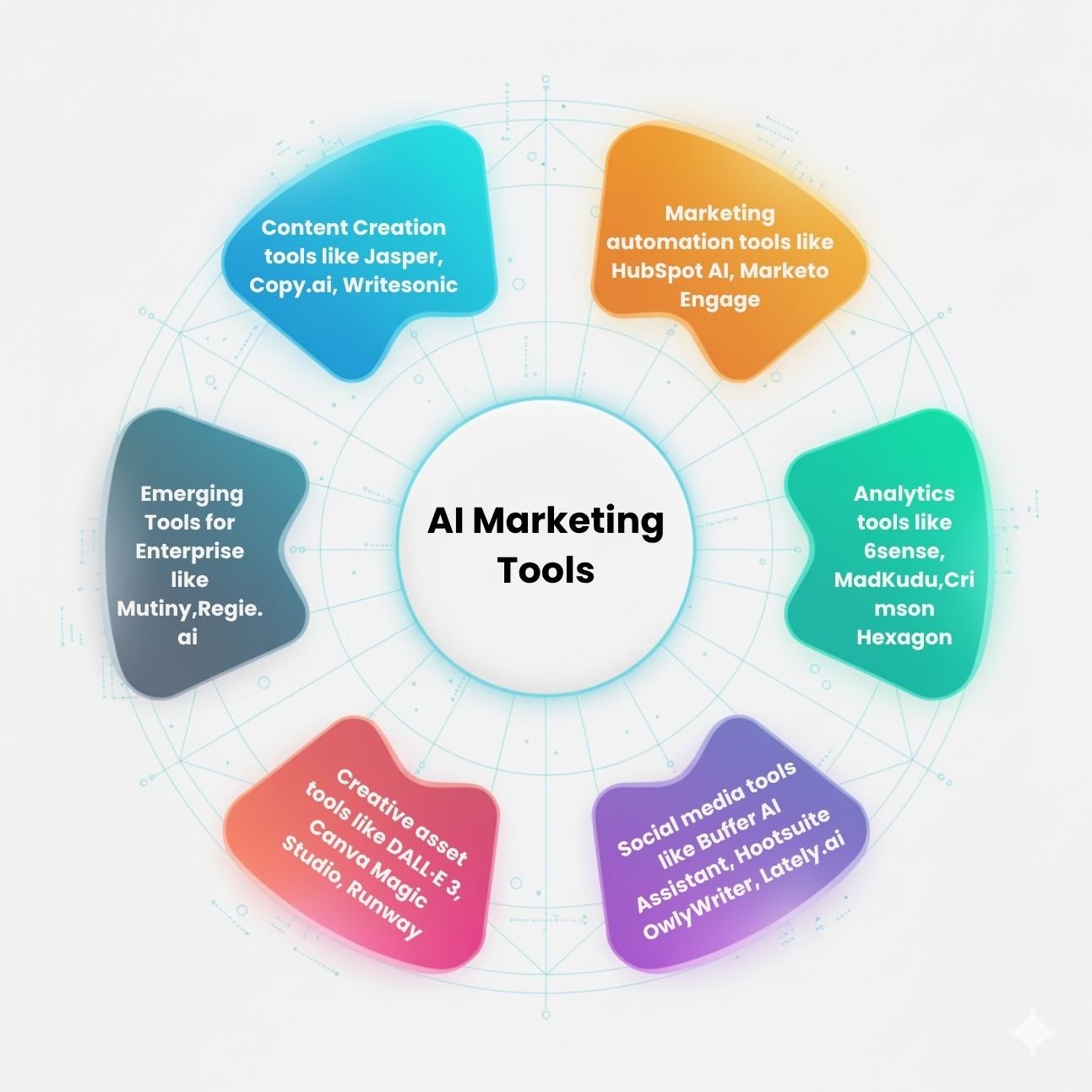
All-in-One / CRM Platforms Platforms such as HubSpot (AI features) and Salesforce (Einstein) lead this category by integrating marketing automation, predictive lead scoring, and customer journey orchestration. Their strength lies in unifying data, execution, and analytics within a single AI-driven framework.
Content Creation Platforms Tools like Jasper, Copy.ai, and ChatGPT enable brands to generate high-quality, brand-consistent content at scale- across blogs, ads, and email campaigns- while significantly reducing production time.
SEO and Content Optimization Platforms Platforms including Surfer SEO, Semrush (AI features), and MarketMuse focus on data-driven content optimization. By analyzing SERPs, keyword intent, and competitive gaps, they support sustainable organic growth in both traditional and AI-driven search environments.
Advertising and Campaign Automation Platforms AI-led advertising platforms such as Albert, AdCreative.ai, and Google Performance Max excel at autonomous ad management. Their primary strength lies in real-time budget optimization, creative generation, and bid decisioning- driving higher ROI with reduced manual oversight.
Visual and Video Creation Platforms Tools like Canva (AI), Synthesia, Runway, and Midjourney allow marketers to produce professional-grade visuals and AI-generated videos without traditional production costs- dramatically accelerating creative workflows.
Automation and Workflow Platforms Platforms such as Zapier, Gumloop, and ActiveCampaign focus on connecting tools and automating workflows through intelligent triggers- helping teams scale operations efficiently across fragmented stacks.
Key Traffic and Market Trends Shaping 2026
Traffic and adoption data in 2026 reveal several clear trends shaping the AI marketing ecosystem.
AI-Native Platforms Are Leading Growth The market has fully shifted from AI as an enhancement to AI as the foundation. Platforms built natively around artificial intelligence- such as Genspark and Synthesia- are seeing strong traffic growth, increased engagement, and heightened investor interest.
Hyper-Personalization Is the Standard AI now enables one-to-one personalization at scale. Instead of static segmentation, platforms deliver individualized content, timing, and offers based on real-time behavior. Organizations excelling at hyper-personalization report revenue gains of up to 40% compared to industry averages.
Agentic AI Adoption Is Accelerating A defining trend of 2026 is the adoption of agentic AI systems capable of executing complex tasks autonomously. These systems can adjust ad budgets, generate content variations, and optimize campaigns continuously- without constant human input- significantly improving speed and efficiency.
Optimizing for AI Search Engines The rise of AI Overviews in Google and AI-powered search engines like Perplexity has shifted SEO strategies toward Generative Engine Optimization (GEO). Marketers now optimize content not only for rankings, but for visibility within AI-generated answers- reshaping how SEO platforms measure success.
Measurable ROI and Efficiency Gains AI-driven platforms are delivering tangible results:
60-80% faster content production
Up to 3× higher email response rates through personalization
Nearly 50% reductions in cost-per-acquisition via intelligent optimization
These performance gains are directly influencing platform rankings and sustained traffic growth.
Voice and Conversational AI Are Becoming Frontline Channels Conversational AI chatbots and voice assistants are increasingly handling customer interactions in real time. By managing FAQs, product recommendations, and lead qualification, these systems reduce cart abandonment and improve engagement- positioning conversational AI as a core growth lever.
The Bigger Picture
In 2026, AI marketing platforms that drive growth are those that combine autonomy, intelligence, and trust. Rankings and traffic trends consistently reward platforms that move beyond analytics and into execution– where AI actively shapes outcomes, not just insights.
With Cubera’s AI-led AdTech ecosystem, advertisers can align with this shift- leveraging identity-driven intelligence, privacy-first activation, and real-time optimization to scale growth confidently in a rapidly evolving marketing landscape.